
Bamboo Cladding: An Eco-friendly Choice for Modern Construction
Abstract: Bamboo cladding is an innovative material that has been gaining popularity in the construction industry due to its sustainability, aesthetic appeal, and durability. This paper explores the definition, advantages, disadvantages, and applications of bamboo cladding, both indoors and outdoors. Additionally, the paper discusses the price considerations and environmental impact of bamboo cladding, as well as its future trends.
1. Introduction Bamboo cladding, made from laminated bamboo strips, is an increasingly popular choice for both residential and commercial construction projects. Its unique texture, natural beauty, and eco-friendliness make it an attractive option for designers and homeowners alike.



2. Definition of Bamboo Cladding Bamboo cladding refers to the use of bamboo strips that are precision-milled and laminated together to create panels for wall coverings. These panels can be used for both interior and exterior applications, providing a natural and sustainable alternative to traditional building materials.
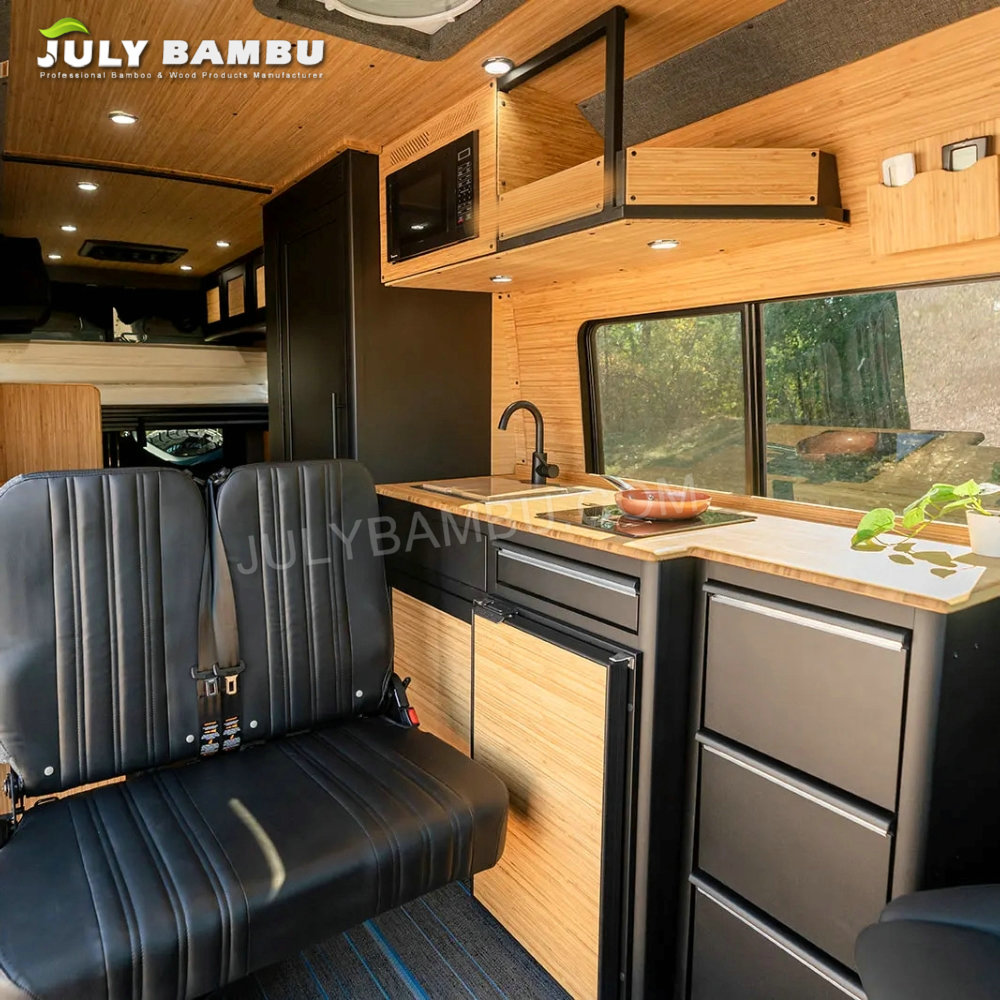
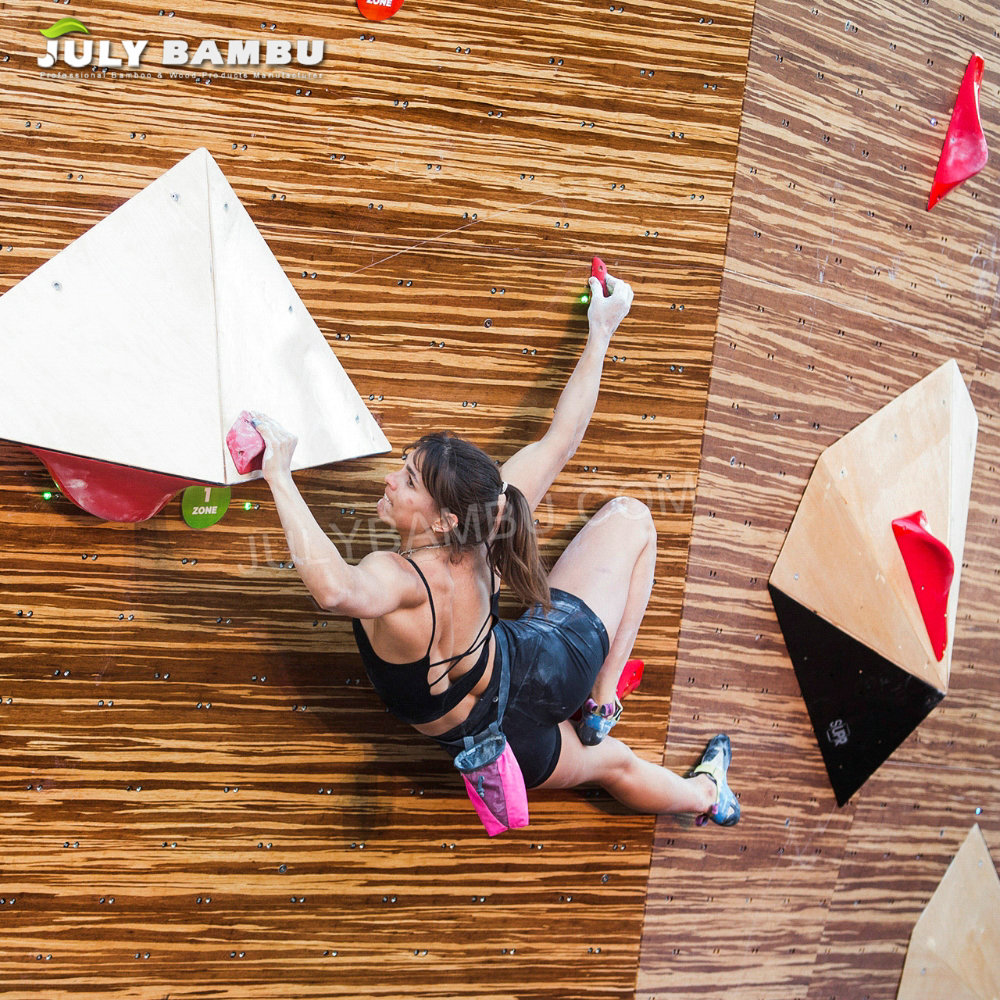
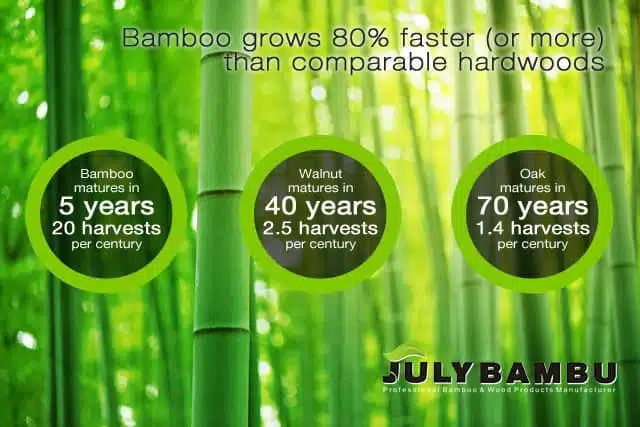
3. Advantages of Bamboo Cladding Bamboo cladding offers several benefits, including: – Environmental Sustainability: Bamboo is a rapidly renewable resource, with a growth cycle of just 3 to 5 years, compared to hardwoods, which can take several decades to mature.

– Aesthetic Appeal: Bamboo provides a unique, natural texture and colour that can add warmth and visual interest to any space.
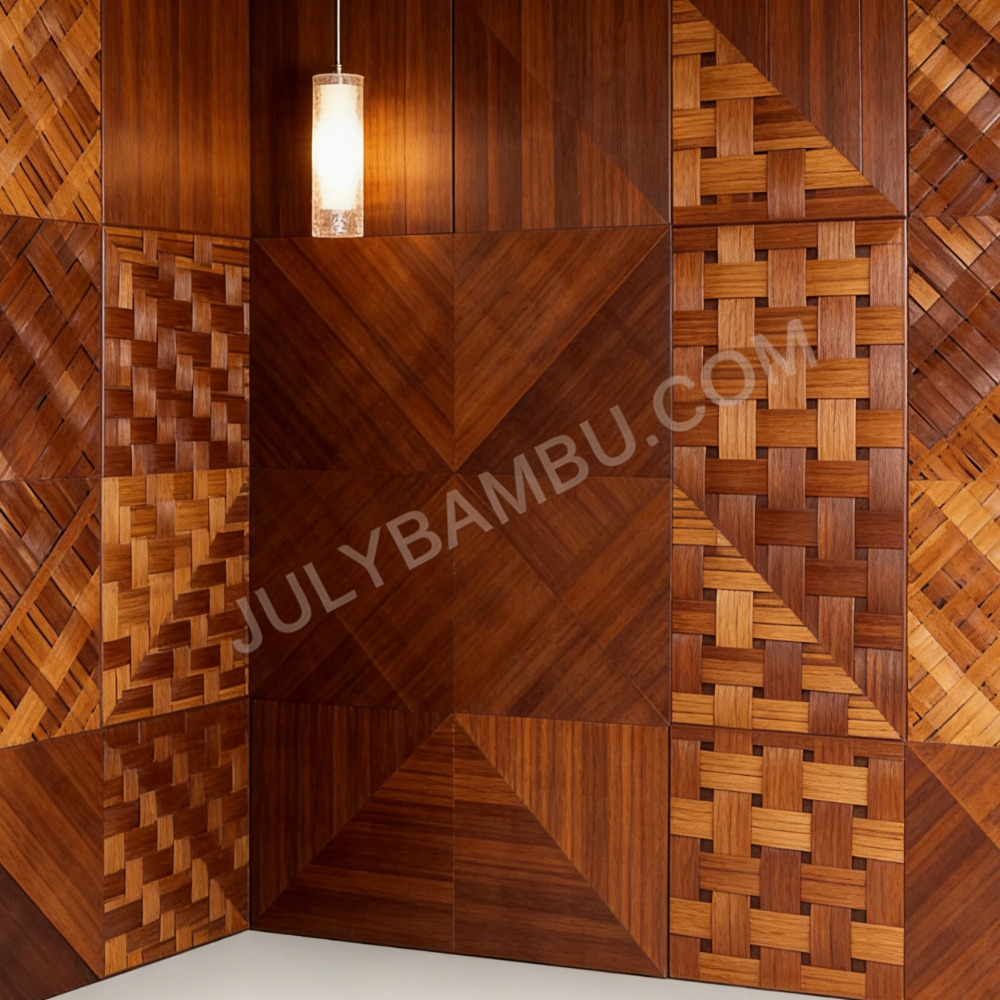
– Durability and Moisture Resistance: Properly treated bamboo cladding is highly resistant to moisture, insects, and weathering, making it suitable for use in various climates.
– Indoor Air Quality: Bamboo does not emit harmful chemicals or volatile organic compounds (VOCs), contributing to better indoor air quality.
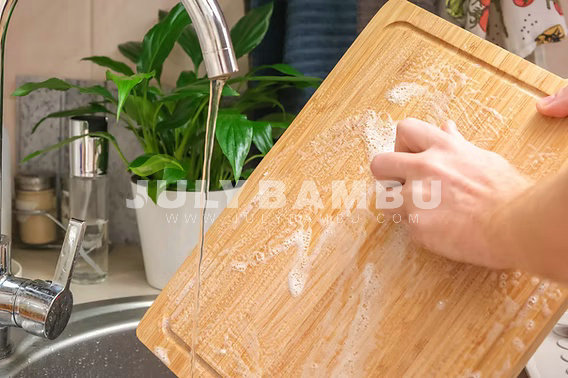
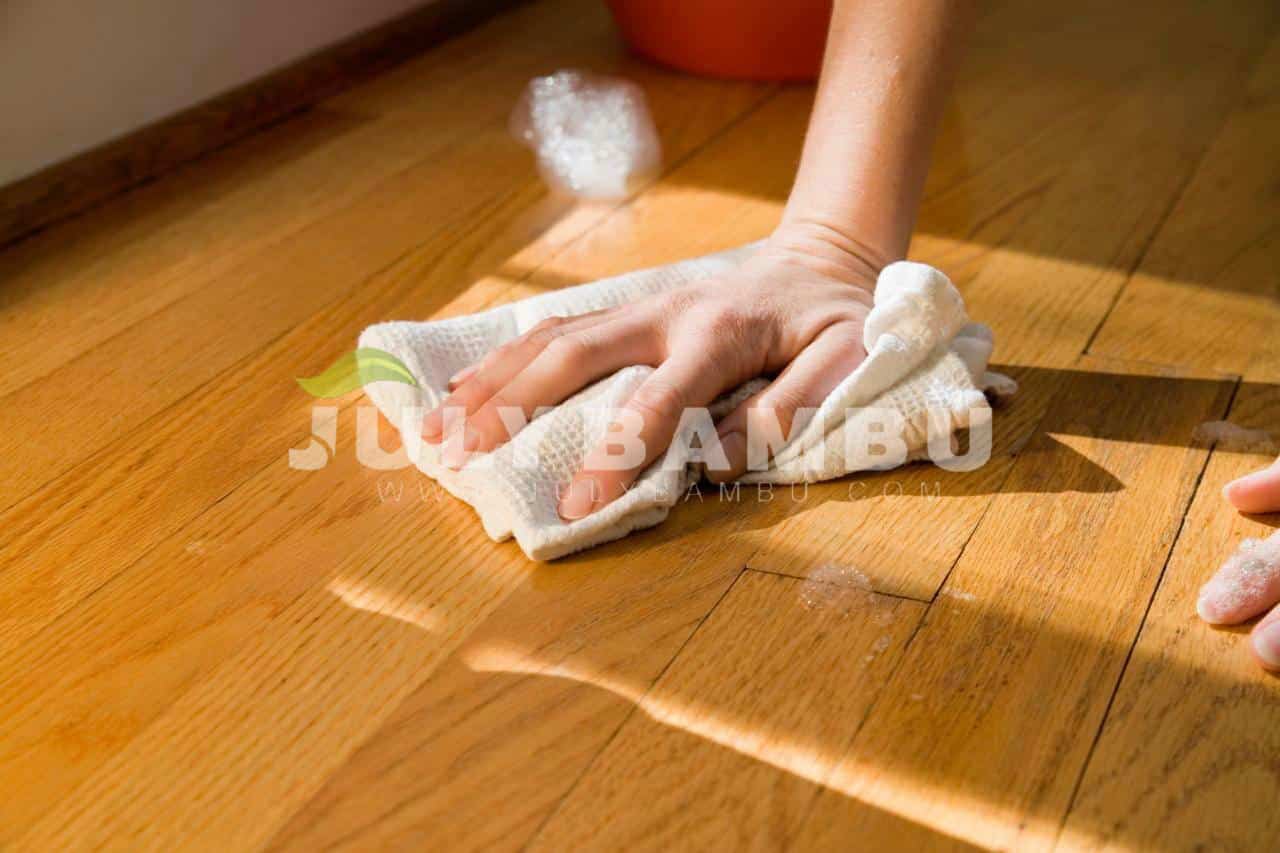
– Easy Maintenance:With minimal upkeep, bamboo cladding can reduce long-term maintenance costs.
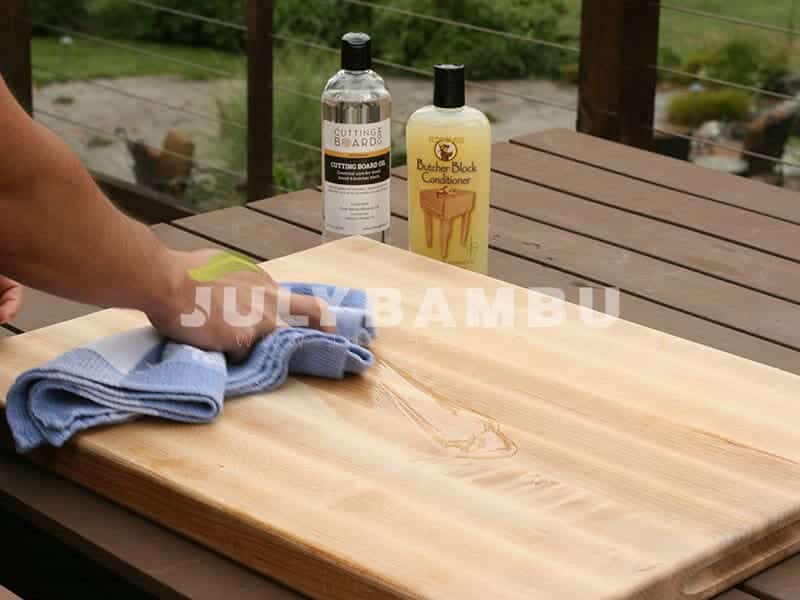
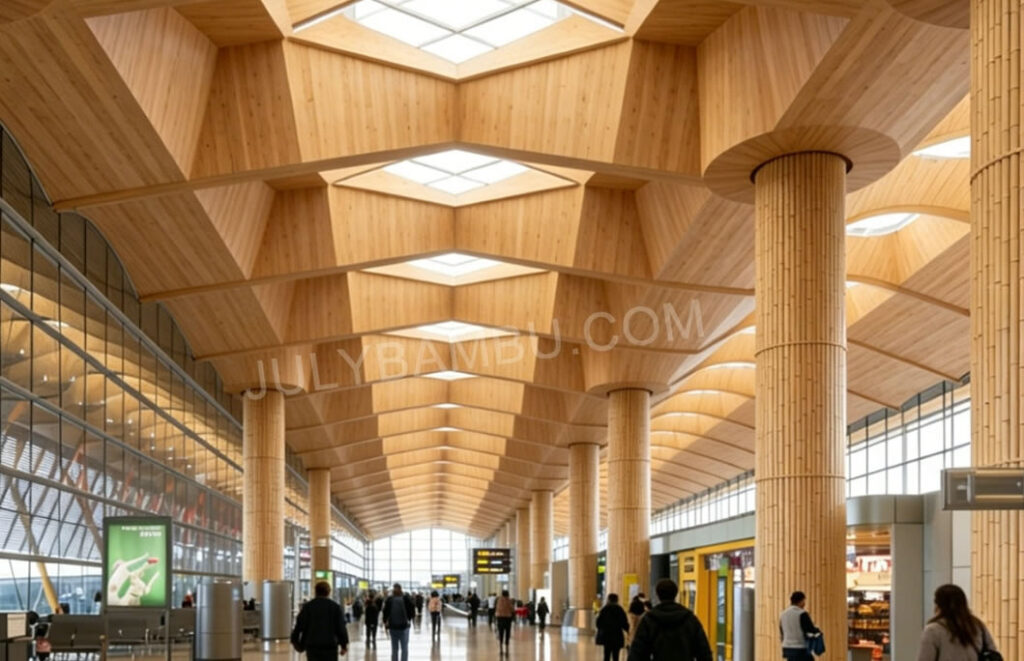
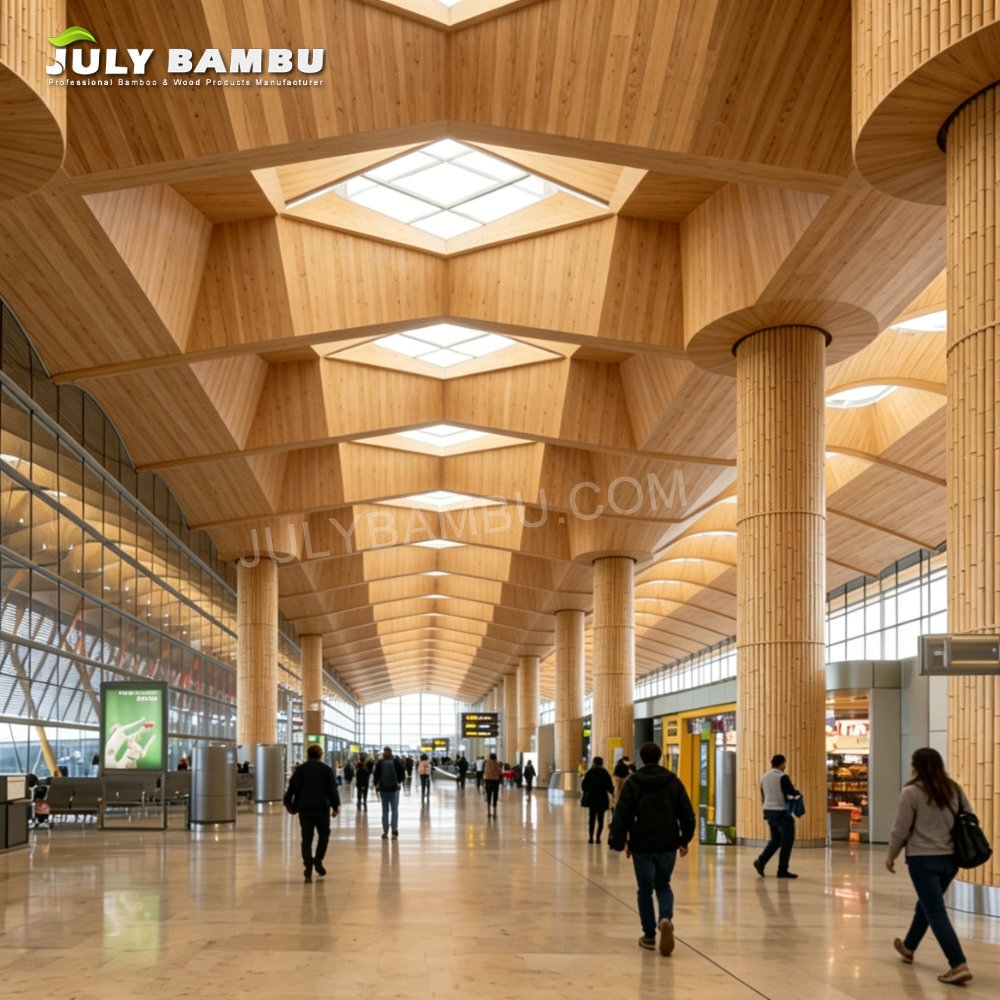
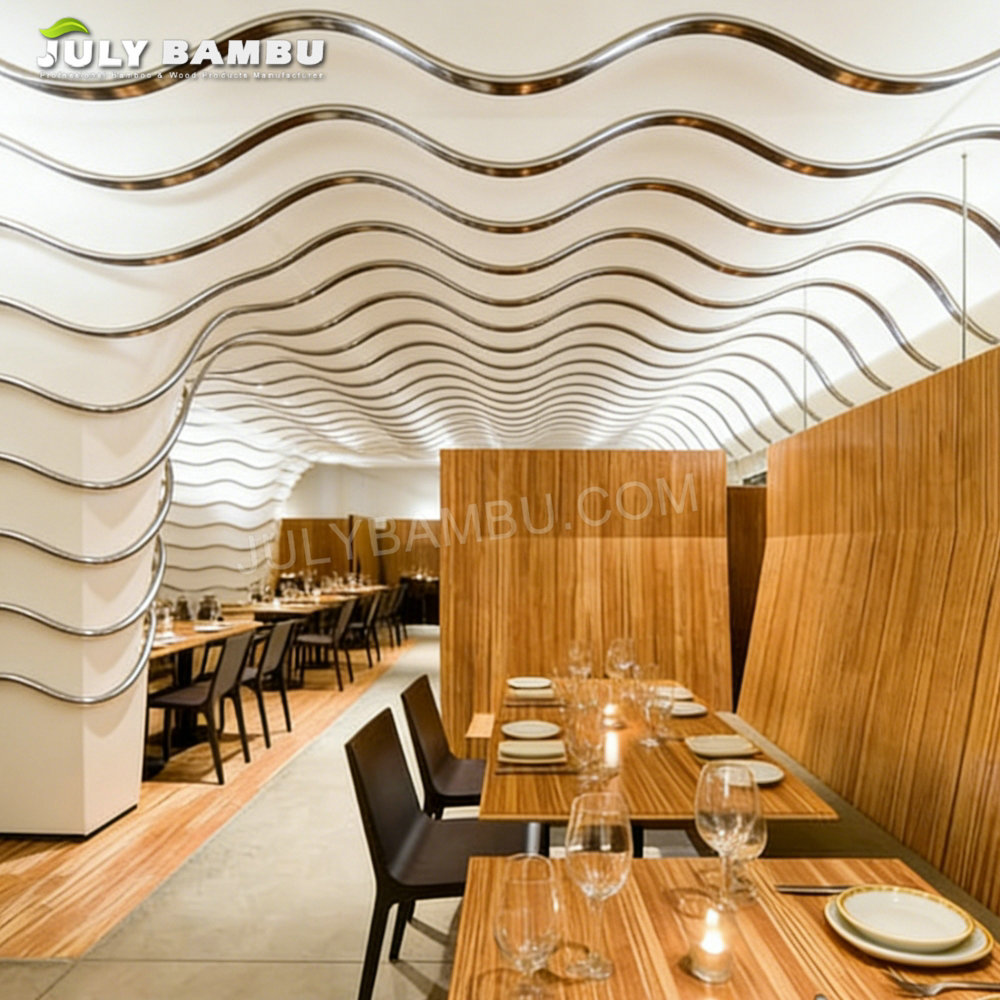
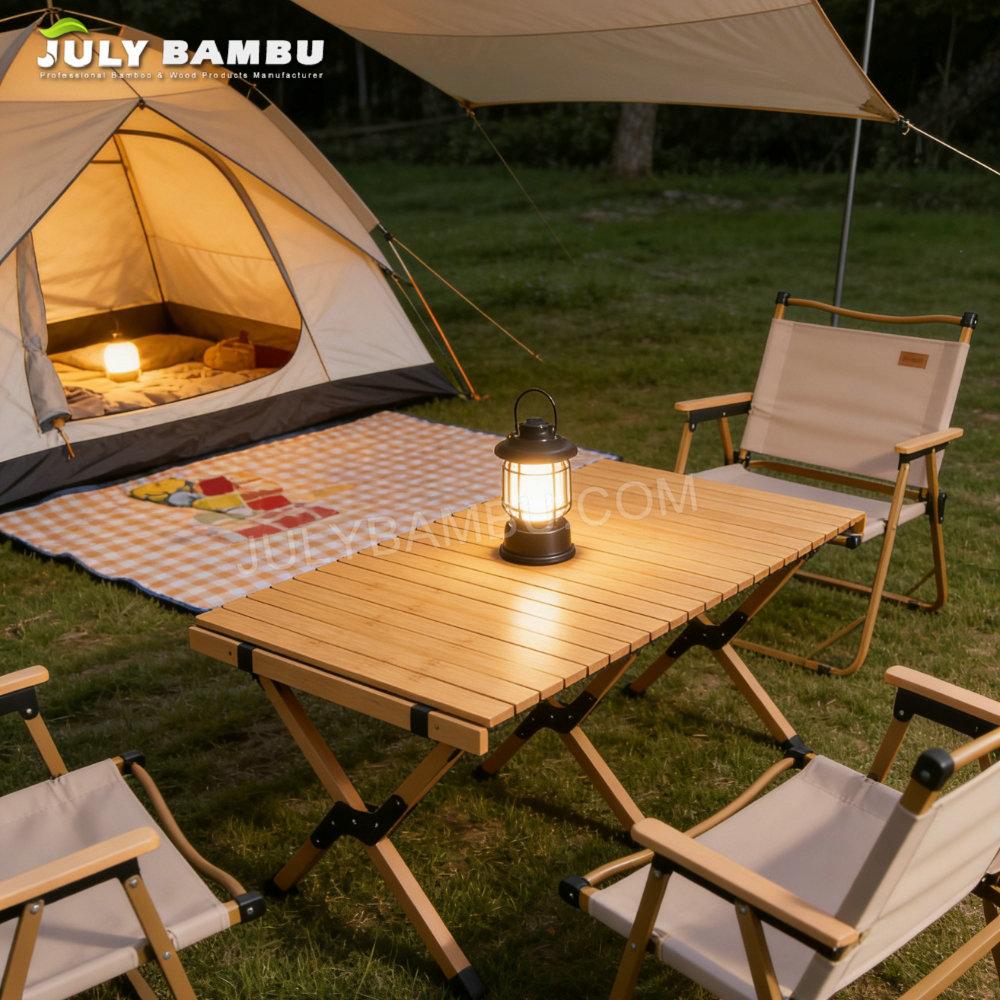
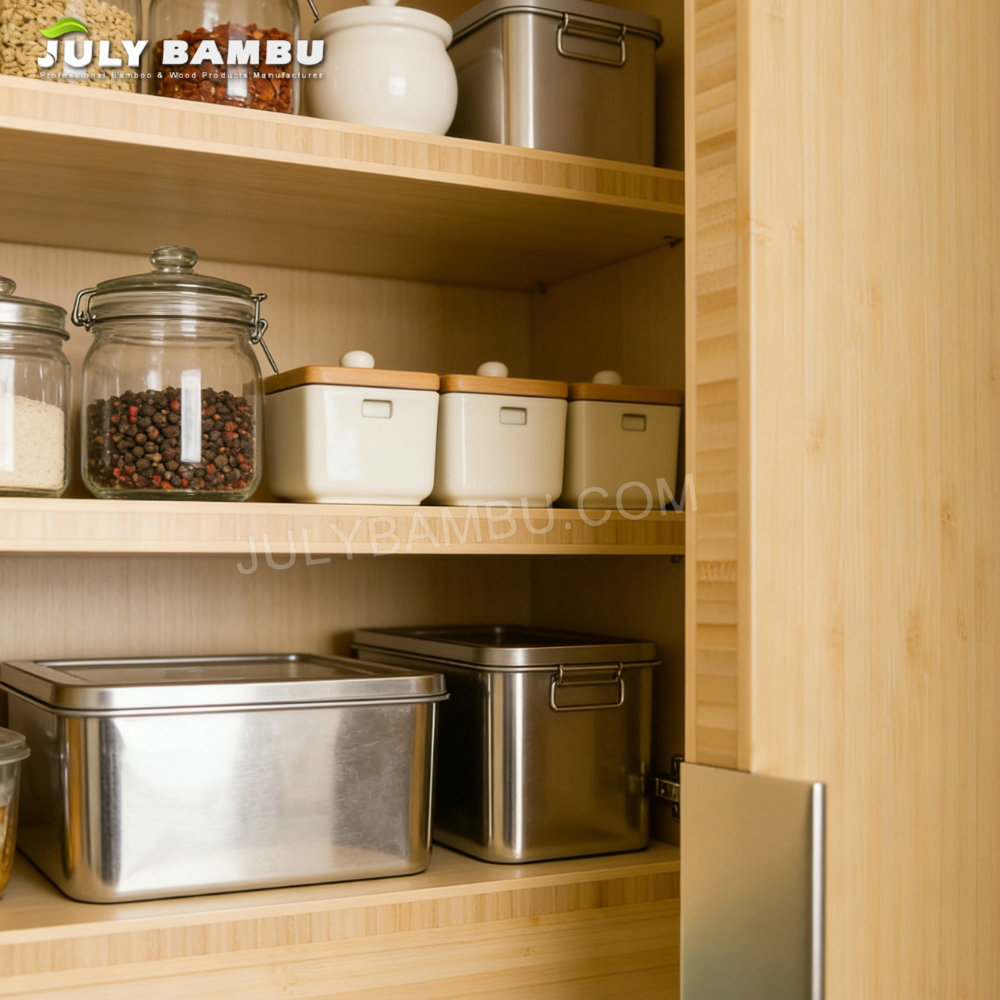
4. Indoor and Outdoor Applications Bamboo cladding is versatile and can be used both indoors and outdoors. Indoor applications include wall coverings, ceilings, and furniture, while outdoor applications extend to building facades, fences, and outdoor furniture.
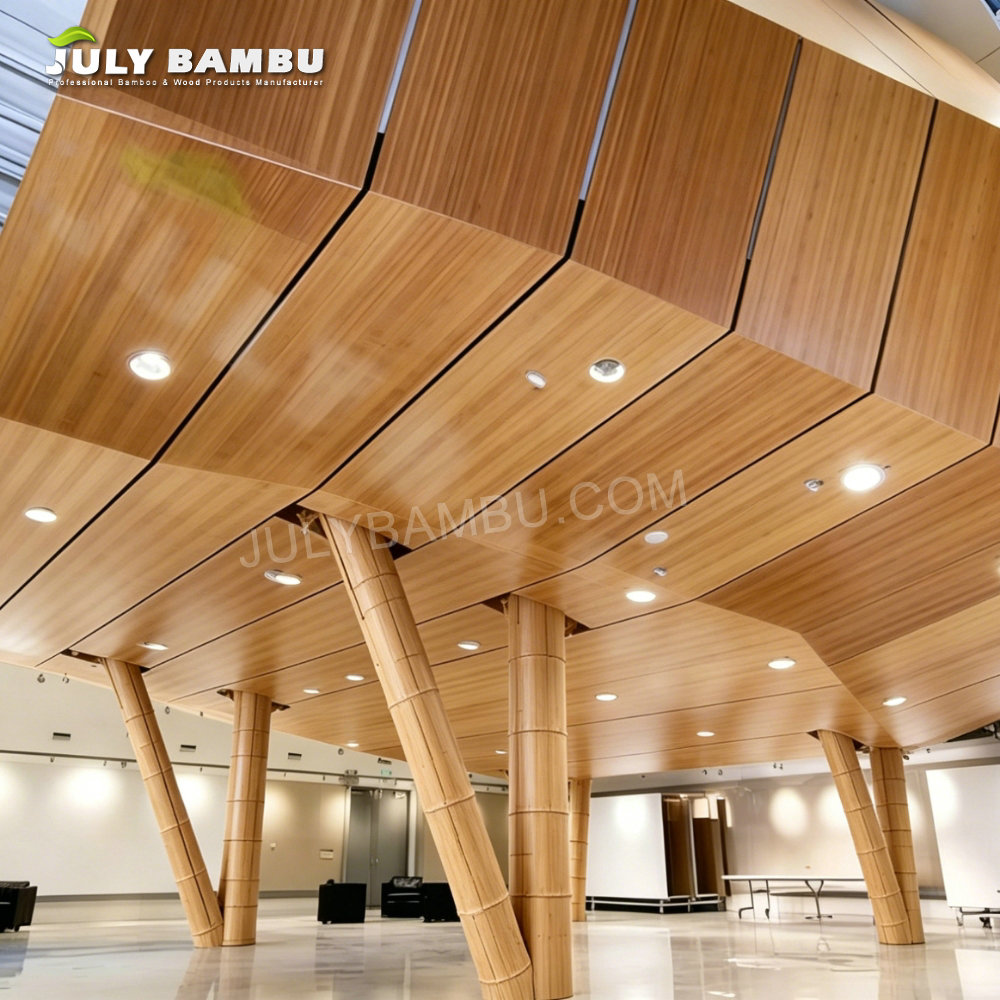
5. Price Considerations The cost of bamboo cladding can vary depending on the quality, thickness, and treatment of the material. High-quality bamboo cladding may have a higher upfront cost, but its durability and low maintenance requirements can offset this over time.
6. Environmental Impact and Sustainability Bamboo cladding is considered an eco-friendly material due to bamboo’s rapid growth rate and ability to sequester carbon dioxide. However, the manufacturing process can vary in terms of sustainability, so it’s important to choose products that meet environmental standards.
7. Future Trends The future of bamboo cladding looks promising, with increasing demand for sustainable building materials and growing awareness of the environmental impact of construction. Innovations in bamboo processing and treatment technologies are expected to enhance its durability and expand its applications.
8. Conclusion Bamboo cladding is a versatile and sustainable material that offers numerous benefits for modern construction. Its unique aesthetic, combined with its eco-friendly credentials, makes it an attractive choice for both indoor and outdoor applications. As the construction industry continues to seek sustainable solutions, bamboo cladding is well-positioned to play a significant role in the future of green building.